Salt-fired stoneware is about as American a ceramic tradition as there is, practical, unglamorous, and quietly beautiful, and it goes back almost to the founding of the country. I have mentioned my love for salt fired pottery in class and wanted to trace where it came from, because so much of what I learned is a direct descendant of it.
Where It Started
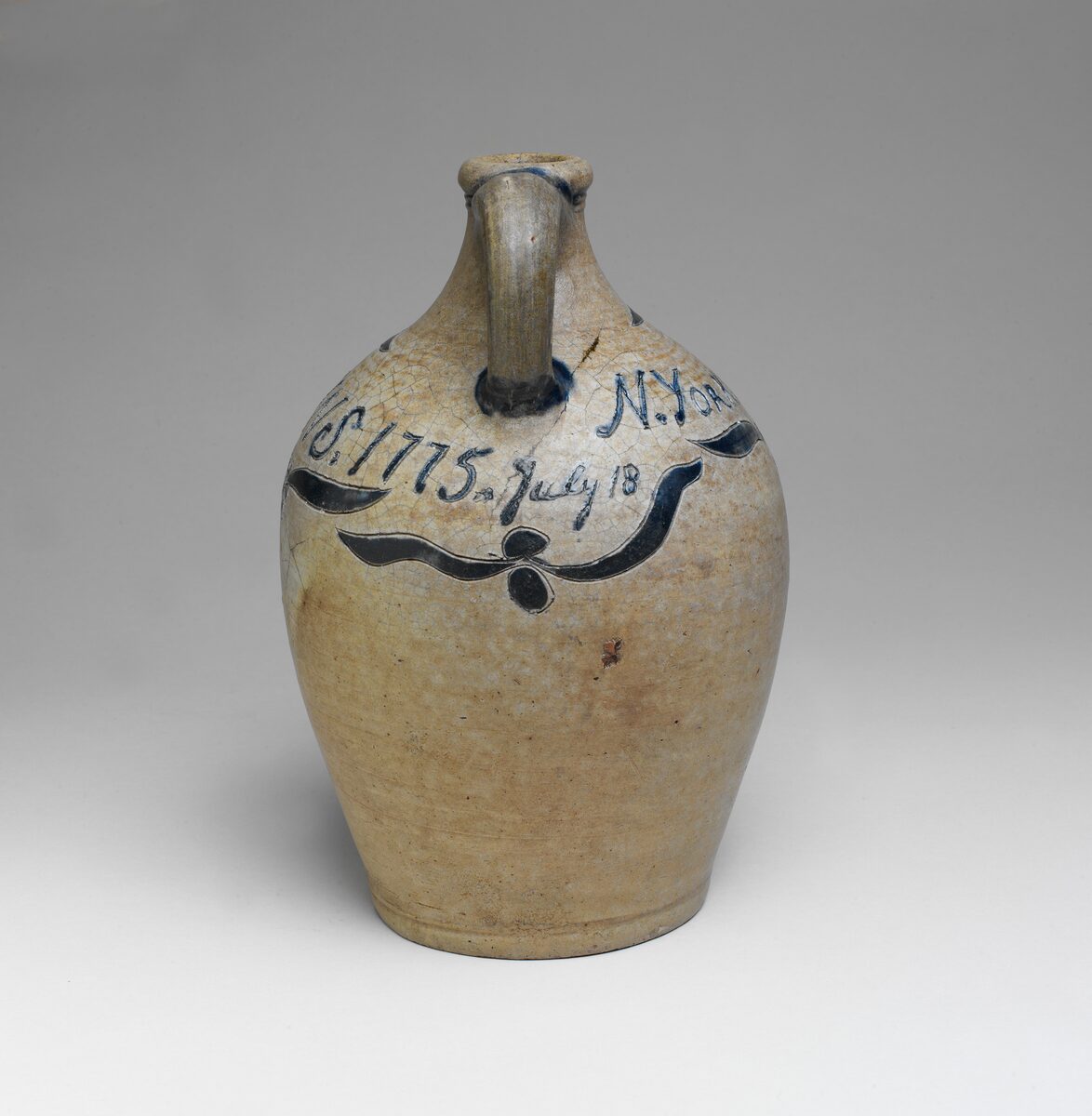
European settlers brought the technique with them. Salt glazing began in the Rhineland in the fifteenth century, and German and English potters carried it to the colonies not long after. By the 1730s, German immigrants William Crolius and Johannes Remmey had set up shop in Manhattan, founding stoneware dynasties that lasted for generations. A Crolius jug signed and dated 1775 survives today at the Metropolitan Museum of Art, a rare thing for eighteenth-century American stoneware.
The process itself is almost alchemical: potters throw common salt into the kiln once it reaches around 2,300 degrees, and the sodium vaporizes and combines with silica in the clay to form a thin, glassy skin, pitted like an orange peel, with no separate glaze application needed at all. Vessels were slip-trailed or incised with cobalt blue, and the birds, flowers, and eagles that decorated an ordinary crock or jug became one of the country’s first true folk-art traditions.
An Overlooked Master
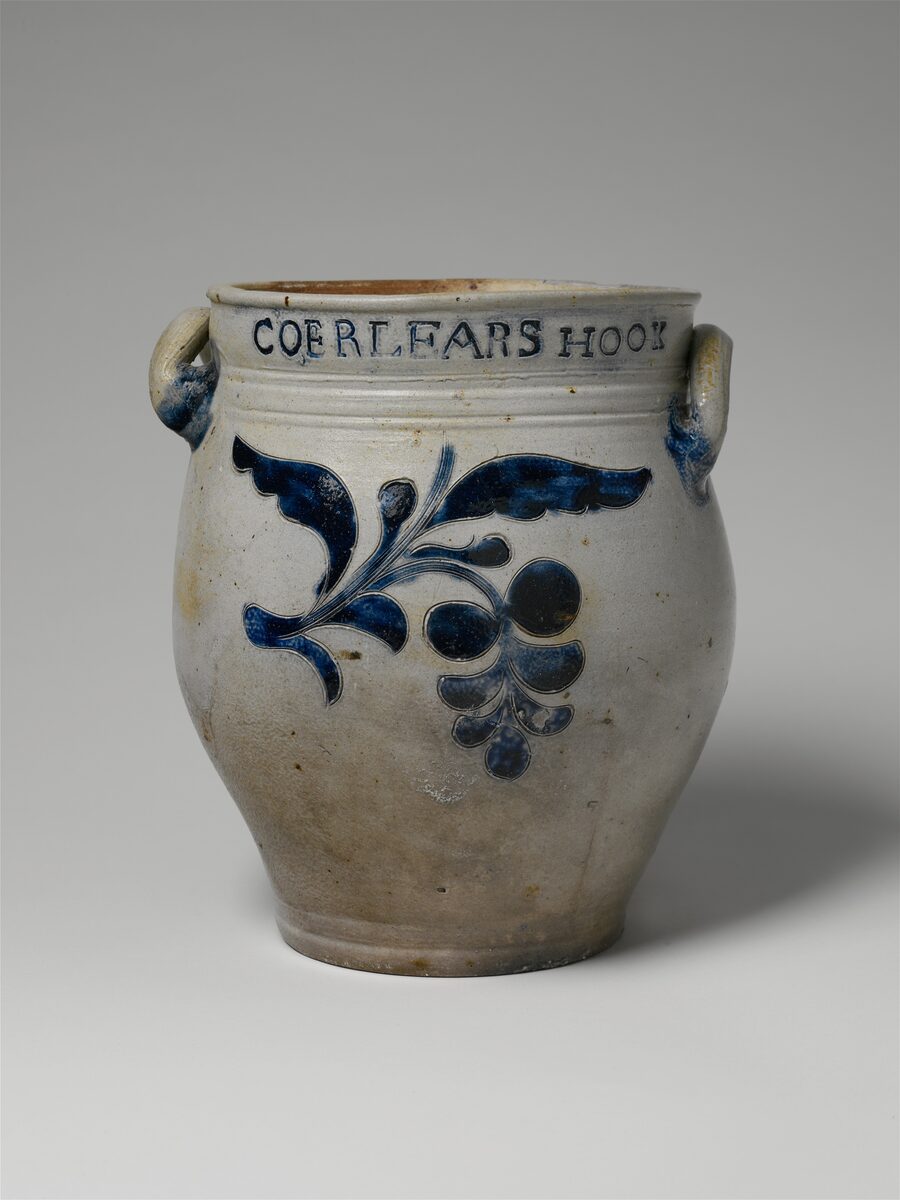
One of the most remarkable figures to work in this tradition rarely made it into the history books, though that is finally changing. Thomas Commeraw operated a stoneware pottery at Corlears Hook on the Manhattan waterfront from the 1790s until 1819, stamping his name into the shoulders of his jars and jugs alongside the other established New York potters of his day. He was a free Black entrepreneur in a city where roughly 7,000 free Black New Yorkers lived. For most of the twentieth century his race went unrecorded. It wasn’t confirmed until 2010, when a researcher traced his history and found he had been misidentified as white in every earlier catalogue. Commeraw lost his workshop to a court-ordered auction in 1819 and later sailed for Sierra Leone with the American Colonization Society. His pottery survives in museum collections today as some of the finest, most confidently made stoneware of the period.
A Craft That Nearly Disappeared
The utilitarian stoneware trade thrived through most of the nineteenth century. Every farm kitchen needed crocks for pickling and churning, and jugs for cider and vinegar, but the trade couldn’t survive the twentieth. Glass canning jars, tin cans, and eventually refrigeration made the heavy stoneware crock obsolete almost overnight, and most of the old potteries closed or converted to industrial production by the early 1900s.
A Revival
What kept salt firing alive was the studio pottery movement that took hold after the Second World War, when a handful of university programs decided the old techniques were worth teaching as an art form rather than a trade. University programs and art centers like Anderson Ranch and Sun Valley were at the center of that revival. The wood and salt kilns built there trained the generation of potters who carried salt glazing into the present. I participated in my first salt firing at Anderson Ranch and continued to prefer it through my time at CU Boulder and Sun Valley, Idaho, and then taught it to my own students after graduate school.
Jack Troy and Today’s Potters
Jack Troy kept that knowledge available through his workshops and his book. He taught ceramics at Juniata College in Pennsylvania for thirty-nine years, built the state’s first anagama-style wood kiln there in 1978, and wrote Salt-Glazed Ceramics in 1977, still the book most potters reach for first. He led more than 230 workshops in thirteen countries, and his own pots are held by the Smithsonian and by museums in Japan and New Zealand.
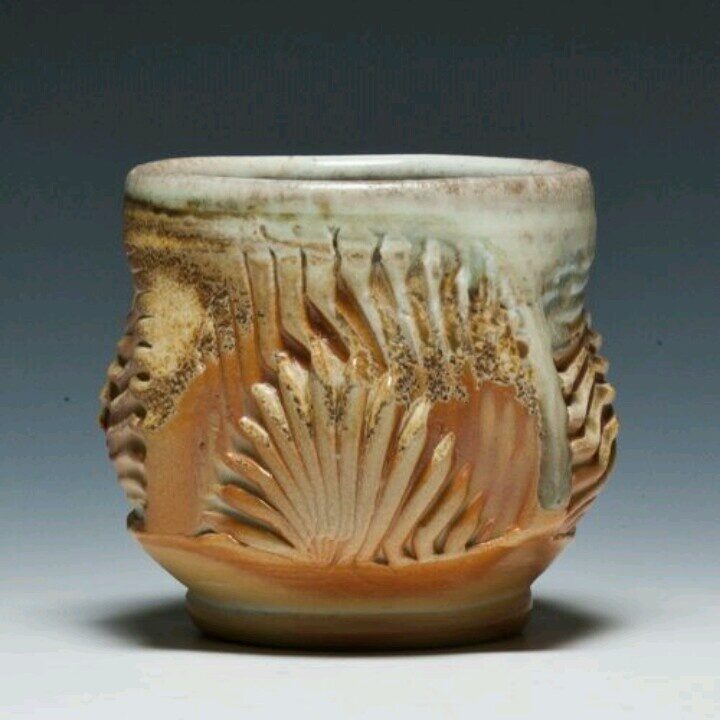
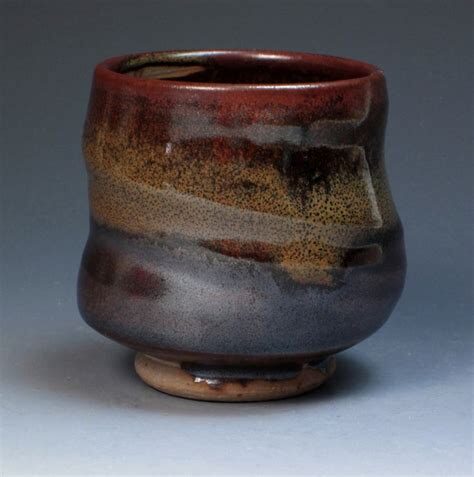
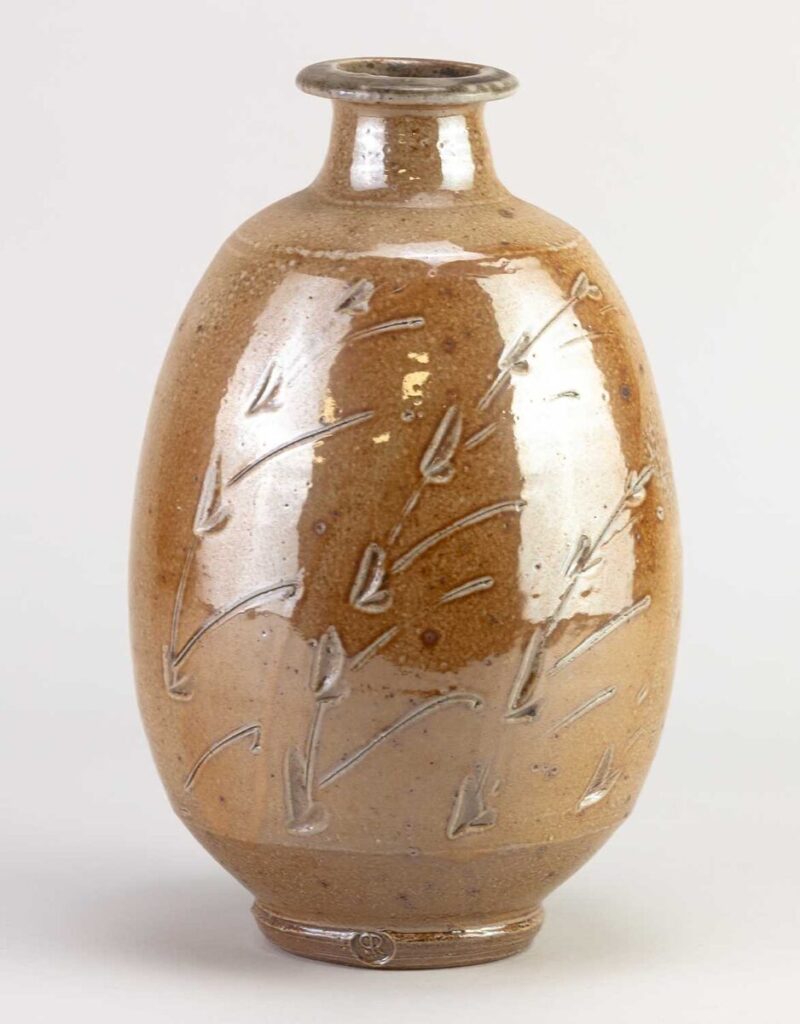
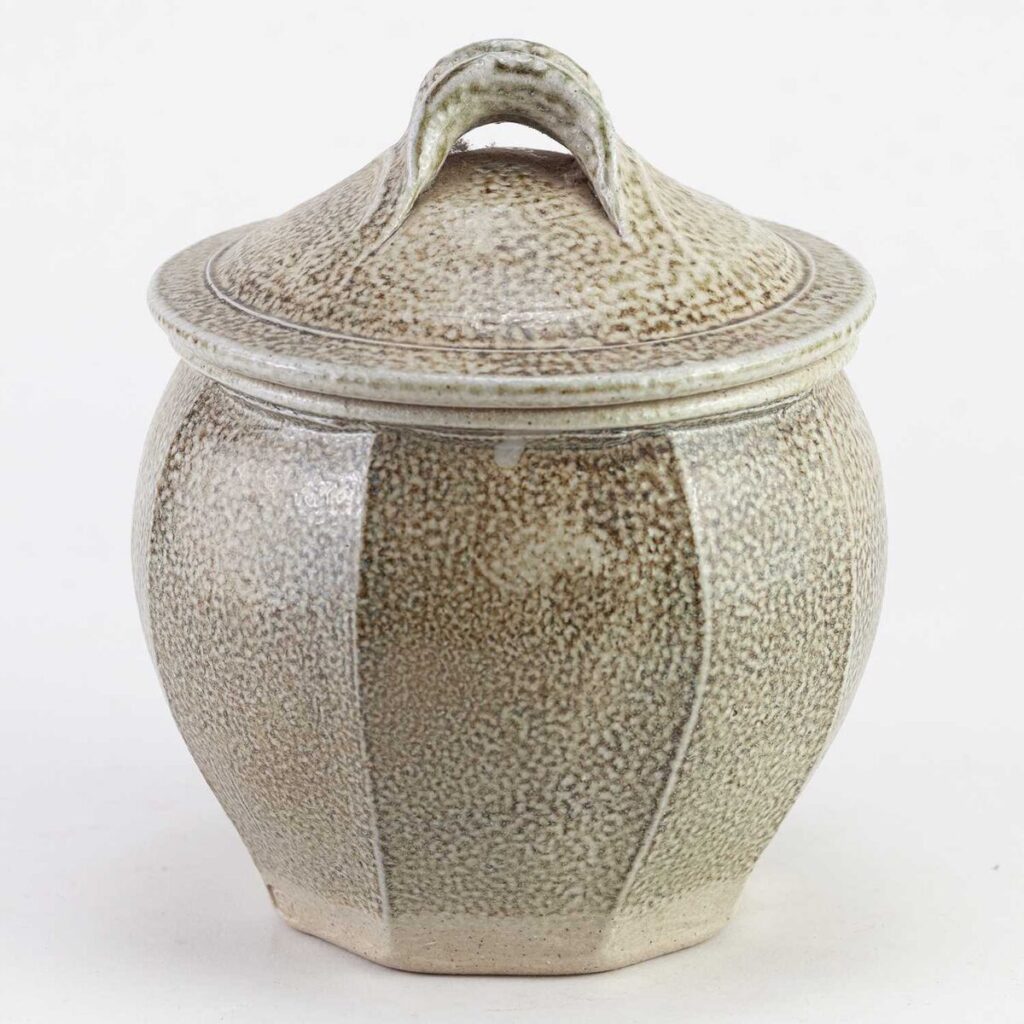
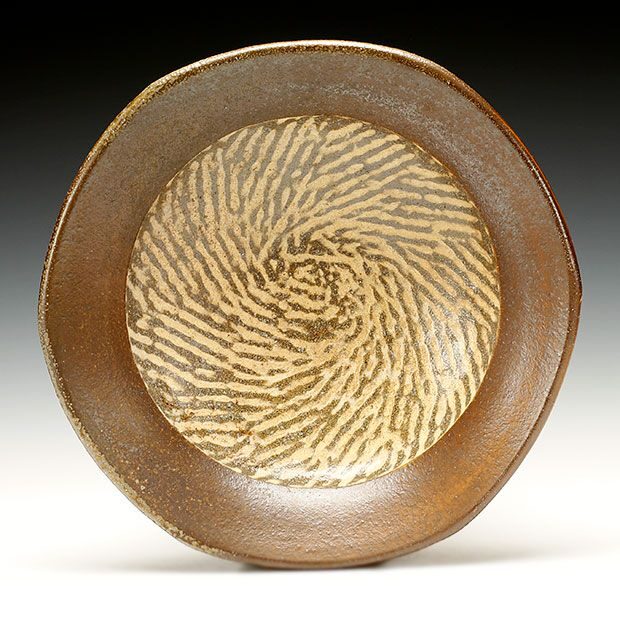
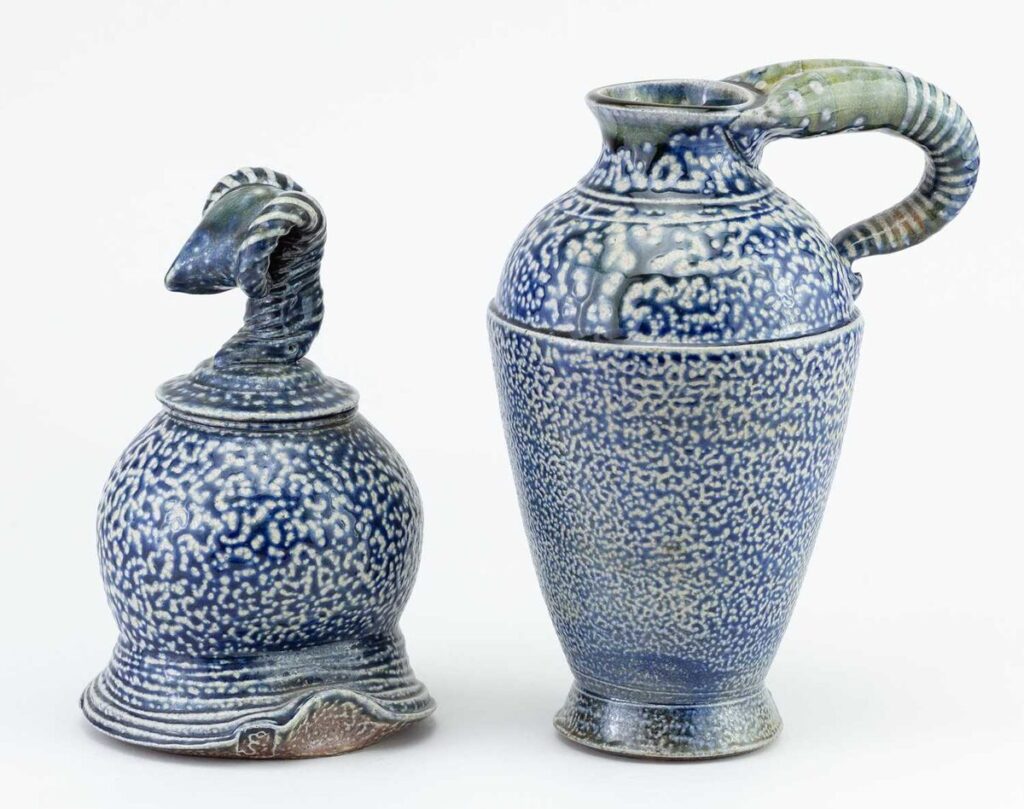
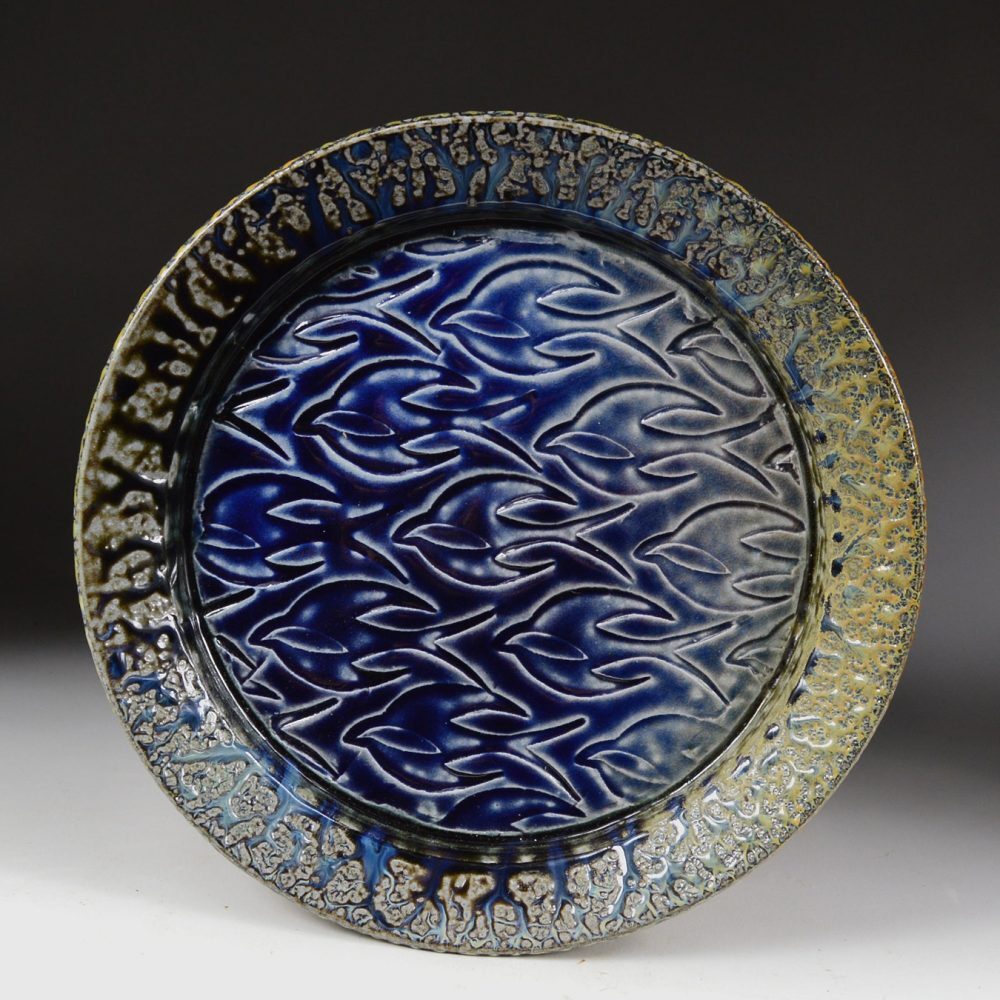
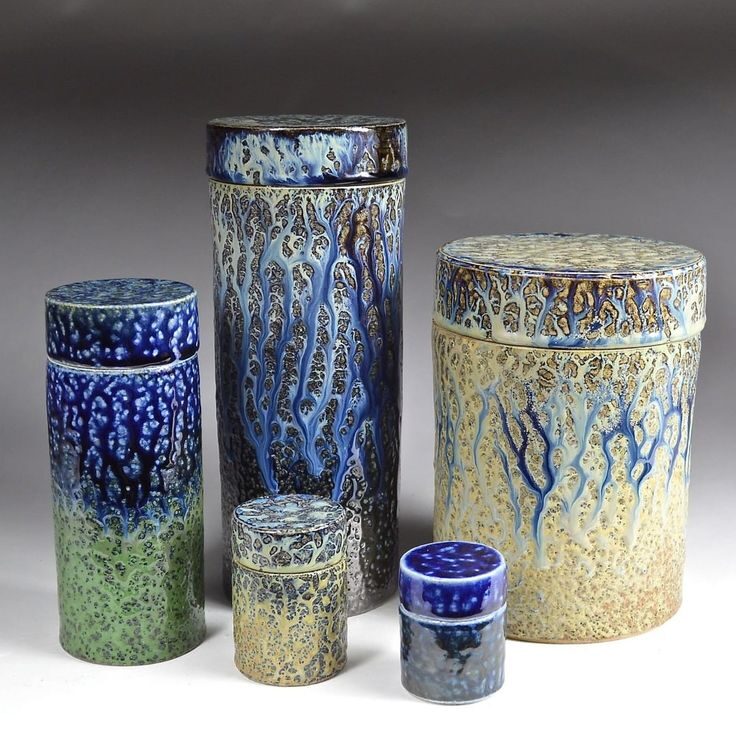
I’ve included a small gallery of pots here that represent some of the more contemporary potters, ranging from Jack Troy, Phil Rogers, and Mark Shapiro to, currently, Daniel Boyle in Wales.
Jack Troy
Phil Rogers
Mark Shapiro
Daniel Boyle
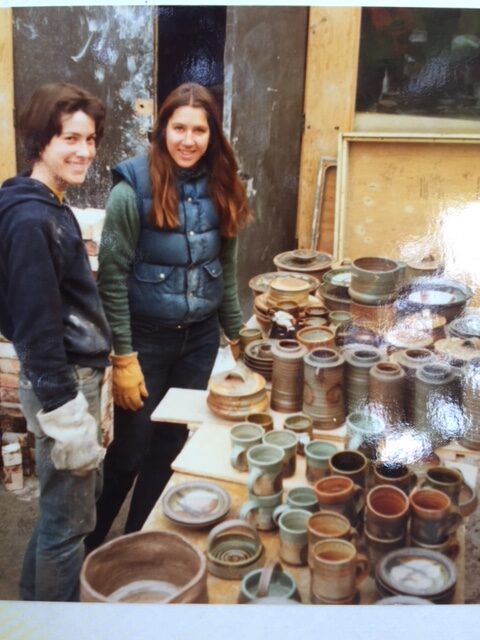
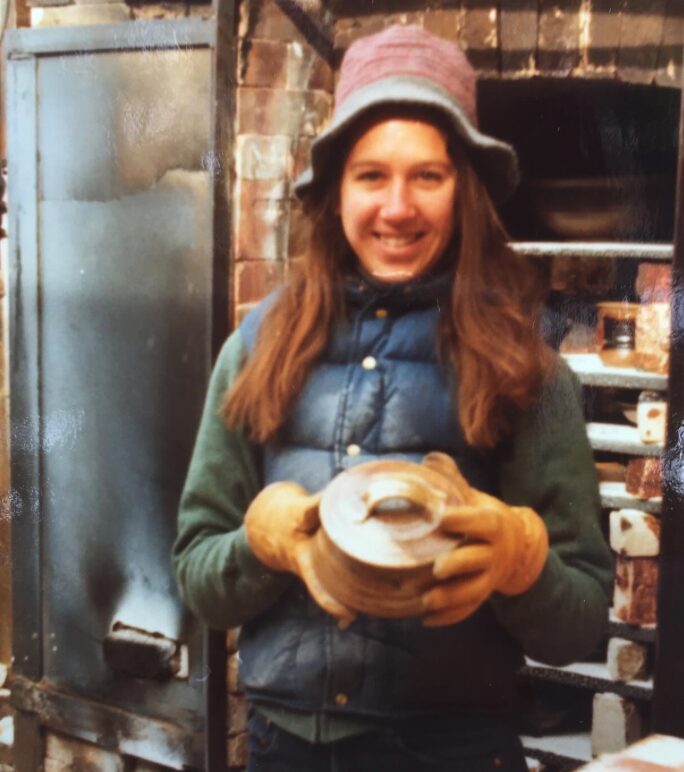
There are also a couple of pictures of me unloading a kiln with my good friend Robin at Sun Valley.