
When potters talk about places worth the trip, Asheville comes up again and again. The city is only part of it. The pull is really the whole western North Carolina mountain craft community, which has been building for close to a century and still feels like one of the few places in this country where handmade work is taken seriously.
Mills, Debt, and Empty Buildings
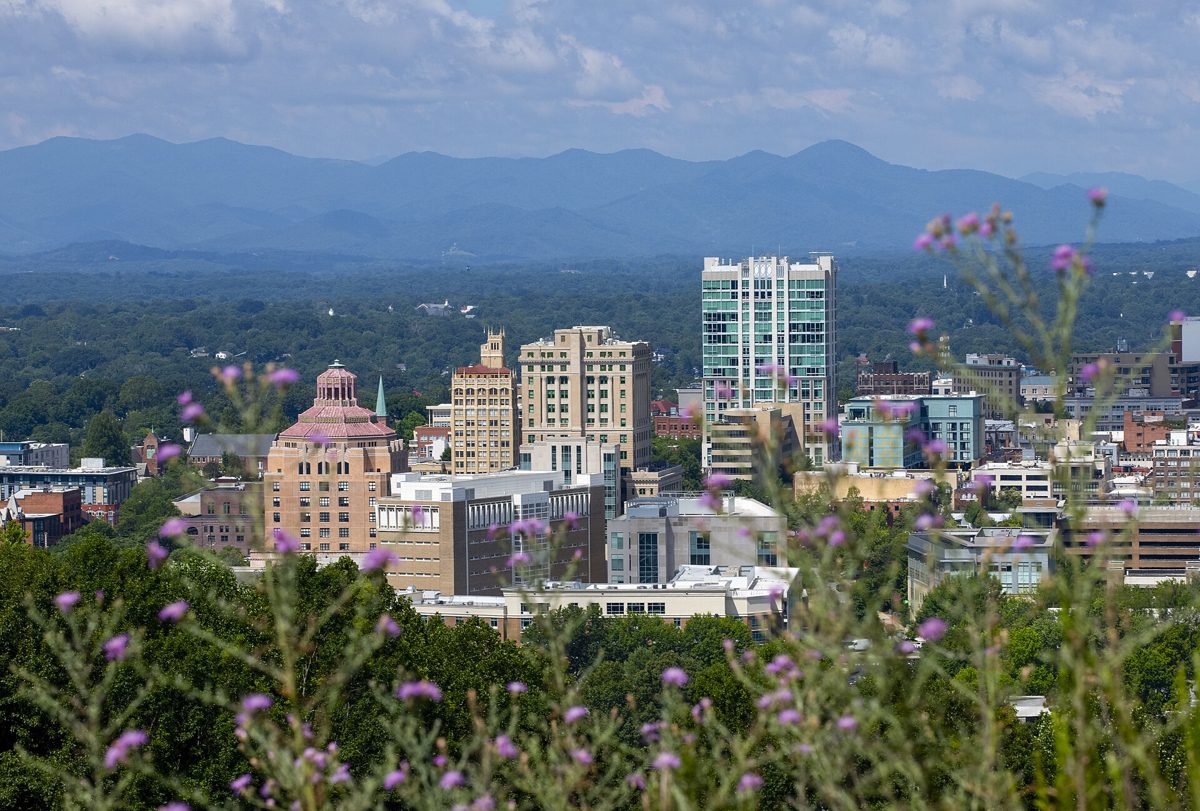
Asheville's industrial story starts with the railroad, which reached the city in October 1880. Factories followed along the French Broad River. One of the oldest surviving buildings in what is now the River Arts District is the old cotton mill, built in 1887, where denim and flannel were made. Moses and Caesar Cone took over the mill in 1893 and ran it as Asheville Cotton Mills until 1953, when it closed and sat empty for decades.
The rest of the city had its own hard luck. When the Depression hit, Asheville was carrying one of the highest per capita debt burdens in the nation. Rather than default, the city chose to pay back every cent, and it didn't finish until 1976. For almost fifty years there was no money to tear anything down or build anything new. That long, slow stretch turned out to be a gift to artists. The 1920s buildings downtown survived intact, the warehouses by the river stayed cheap, and people who wanted mountains, mild seasons, and affordable space to work found a place they could make art and raise a family.
A Craft Revival in the Mountains
The craft roots here run deeper than the galleries. In 1929 Lucy Morgan founded what became the Penland School of Craft, about an hour north of Asheville, growing it out of a weaving cottage industry she had started for local women. The Southern Highland Craft Guild formed in 1930, and today its Folk Art Center on the Blue Ridge Parkway is one of the best places anywhere to see traditional and contemporary Appalachian craft side by side.
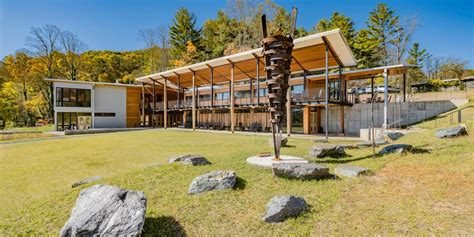
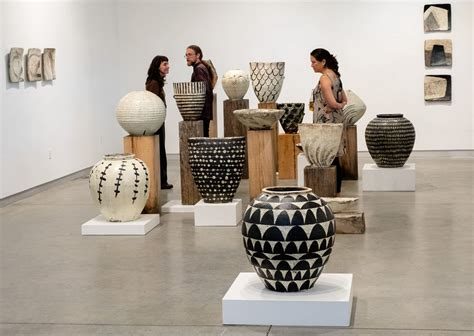
Then there is Black Mountain College, just east of the city. In October 1952 it hosted a two-week pottery seminar with Bernard Leach, Shoji Hamada, and the mingei philosopher Soetsu Yanagi, organized by Karen Karnes and David Weinrib. Young potters like Warren MacKenzie were in the room. Many historians count it as a turning point for American studio pottery, the moment Eastern and Western ideas about the pot really met on this side of the ocean. The follow-up summer session in 1953 brought Peter Voulkos and Daniel Rhodes.
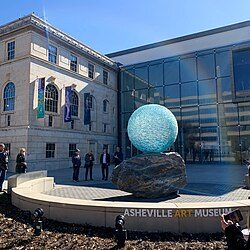
Artists began moving into the abandoned riverfront warehouses in the 1970s, and in 1987 the nonprofit RiverLink started working to save the district's buildings. By 2010 there were more than 140 studios in 16 buildings. Before 2024, the River Arts District was home to hundreds of working artists, and Asheville had become a real destination, with galleries like Blue Spiral 1, Momentum Gallery, and Ariel Gallery, and the Asheville Art Museum downtown.
Helene and the River Arts District
On September 27, 2024, almost exactly two years ago, Hurricane Helene pushed the French Broad River past its 1916 flood record. About 80 percent of the buildings in the River Arts District were damaged or destroyed. If you saw the pictures of those studios afterward, you couldn't help but be in awe of the destruction and heartbroken for those artists.
The recovery has been remarkable. With help that poured in from the whole country, the upper part of the district was fully open again by the summer of 2025, and artists have steadily been returning to the lower blocks closer to the river.
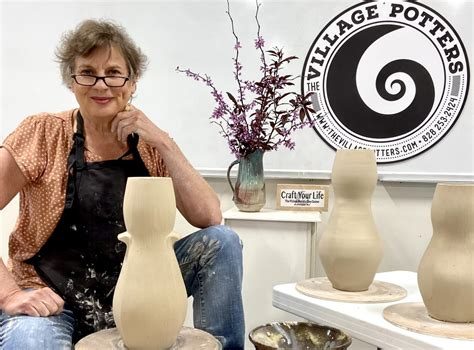
The Village Potters Clay Center is one story worth following. Founded by Sarah Wells Rolland and based at Riverview Station since 2011, it lost its entire 14,000 square foot space in the flood, including 17 kilns and 37 wheels. Sarah raised money by teaching workshops across the country, and the Village Potters reopened in a larger 18,000 square foot building on Westgate Parkway, celebrating its grand reopening in April 2026. If you look up their pictures from after the flood and follow them through to the new studio, you will see one pottery's story of survival and renewal.
My Visit to Asheville
My own stay in Asheville lasted a few months, and I was seriously considering moving there. Even though it was during Covid, I tried to introduce myself and meet the artists of the area. I made a few friends and came away with lasting memories of the studios and the work I saw.
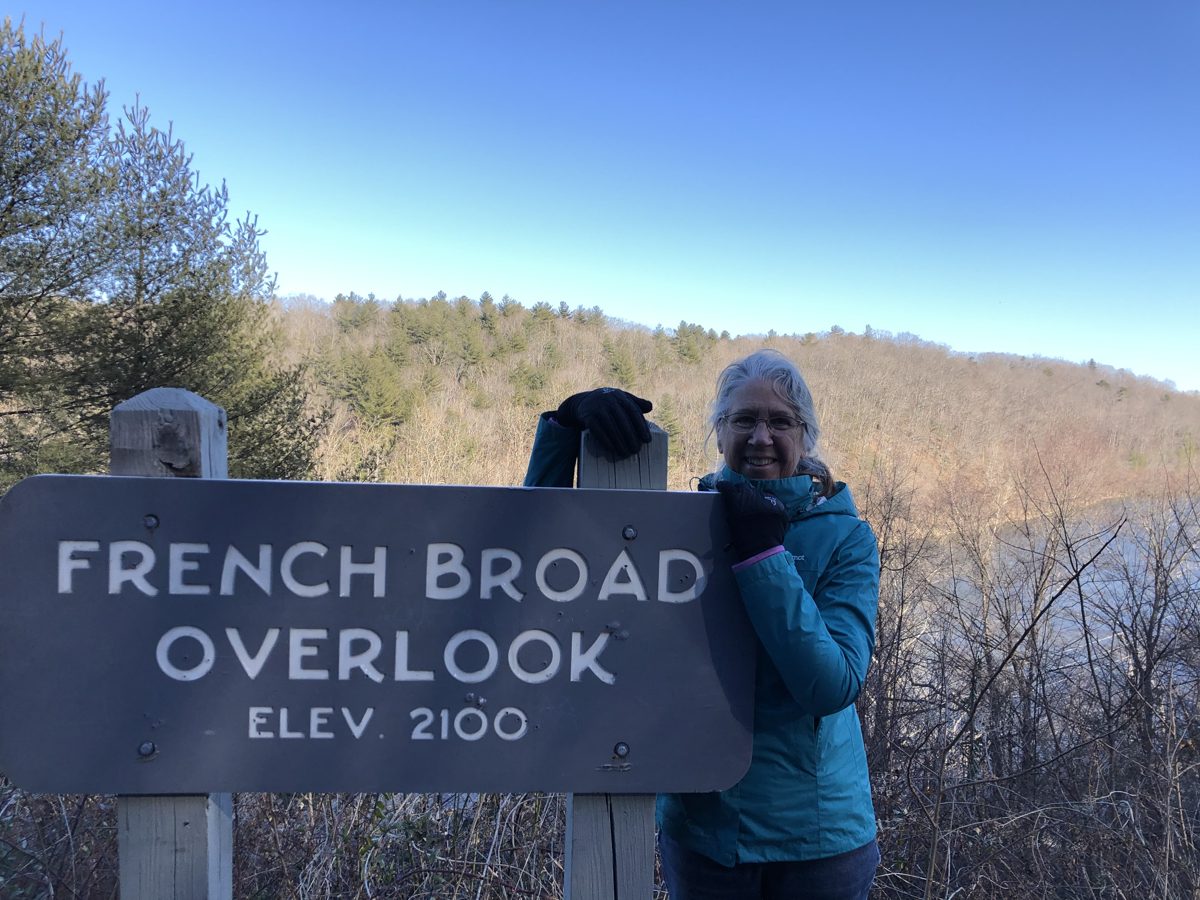
This was a place where craftsmanship mattered and was respected. One reason I felt I could live there was the clear support for the arts and for local artists that came from the galleries, the museums, and the patrons. Any artist would be drawn in by that level of support. It also matters to feel you are part of a generational community that has been home to so many excellent potters and artists.
Four Potters Worth Knowing
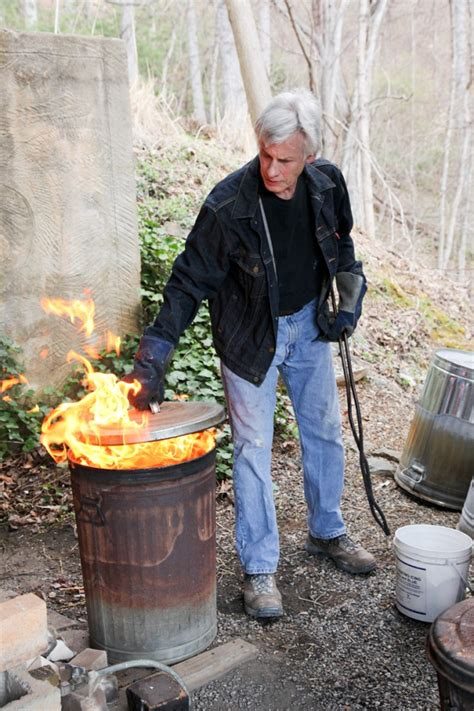
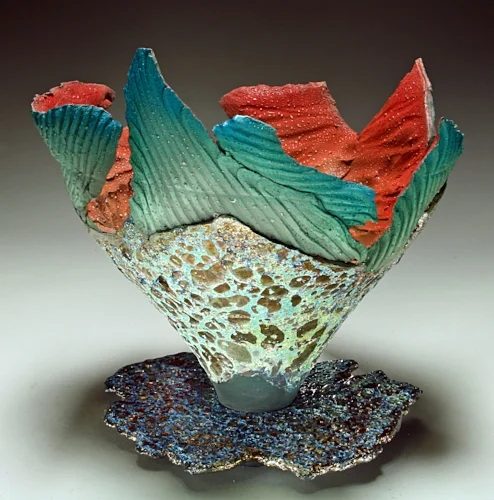
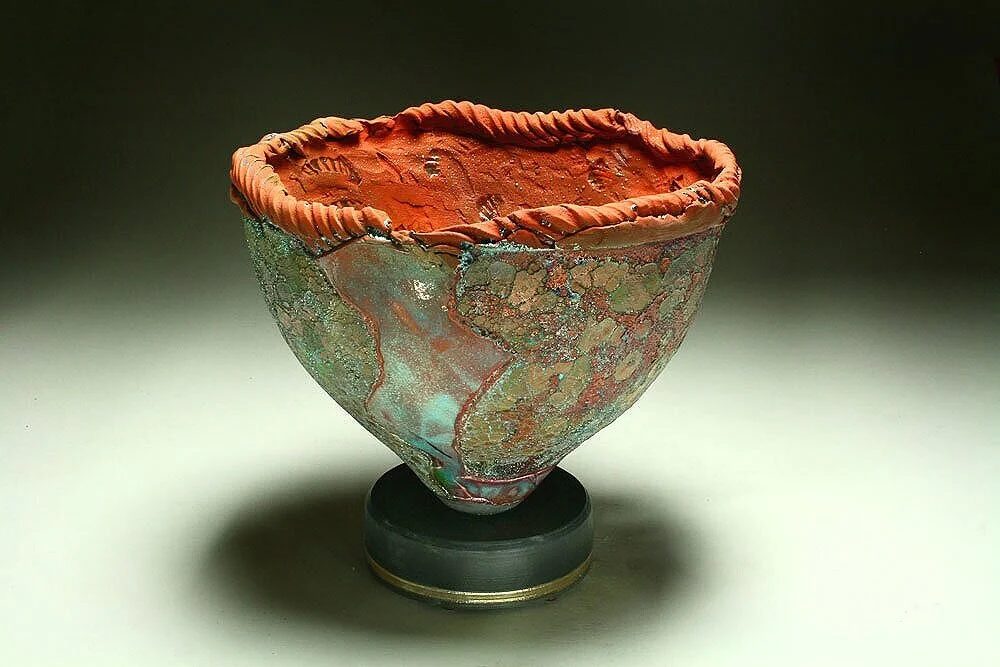
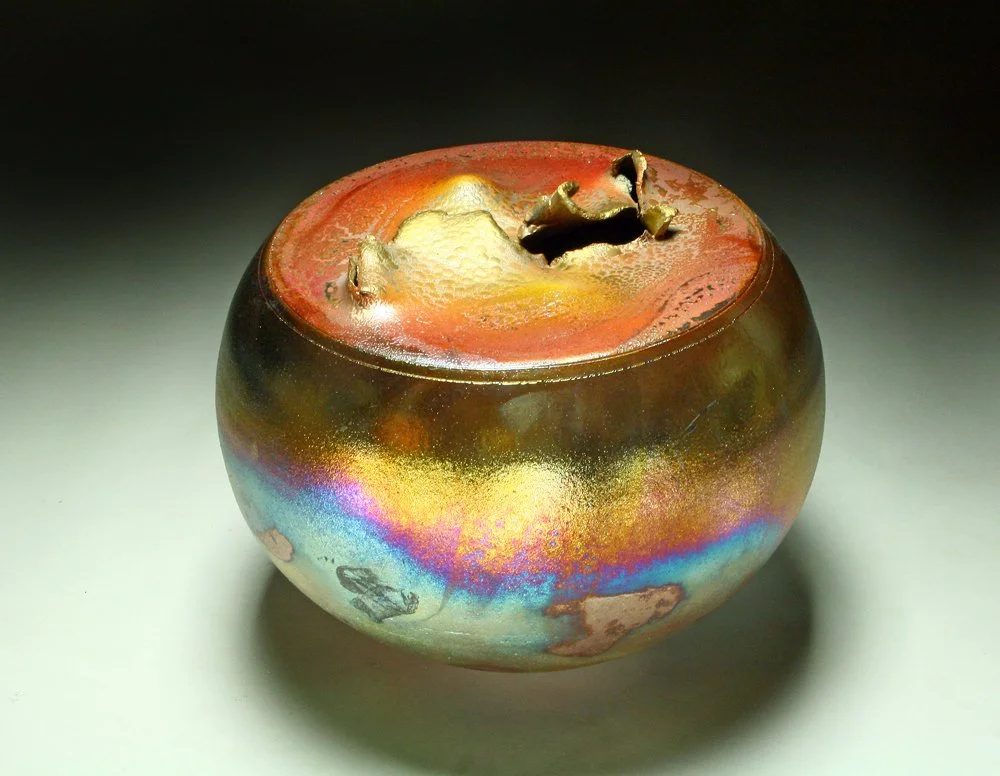
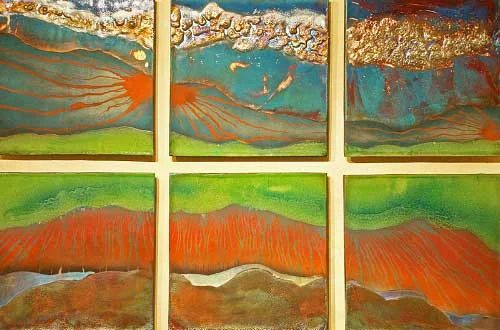
Steven Forbes-deSoule has been firing raku since 1981, by his own count more than 7,000 firings, from his home studio in Weaverville. He is also a co-owner of Ariel Gallery on Biltmore Avenue.
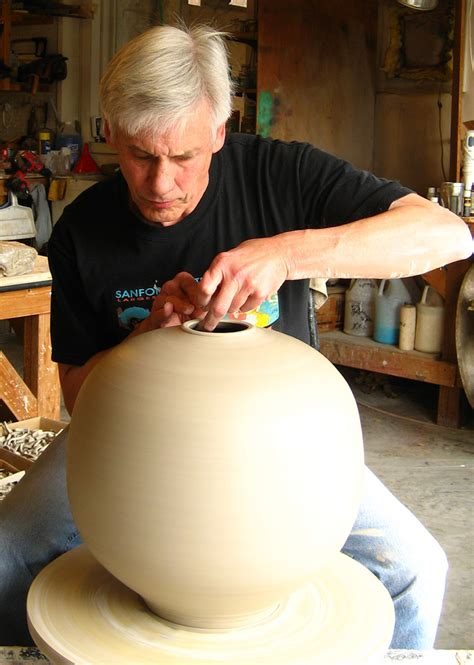
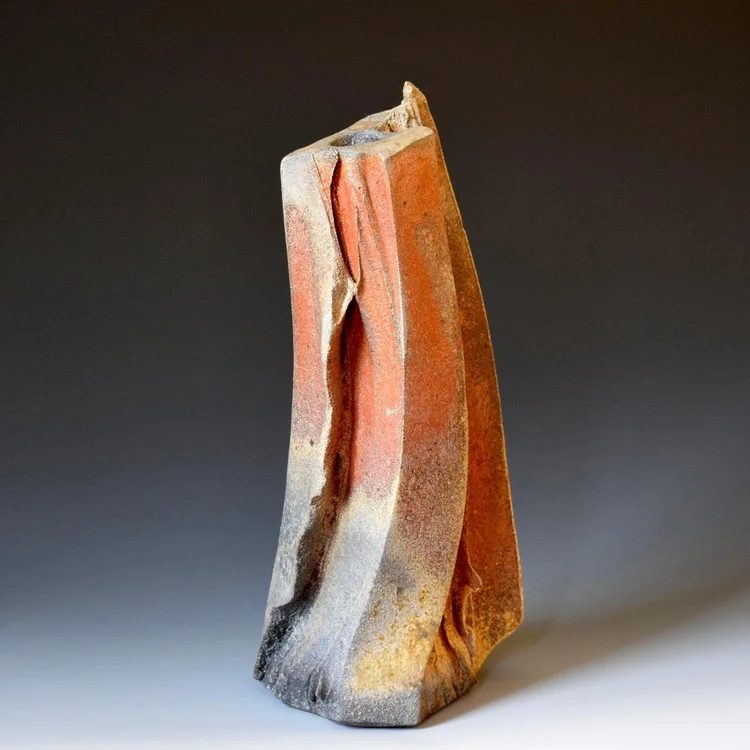
Akira Satake was born in Osaka and settled in Swannanoa in 2003. His wood-fired and hand-carved work, including kurinuki tea bowls carved from a solid block of clay, is in the collections of the Mint Museum and the Asheville Art Museum.
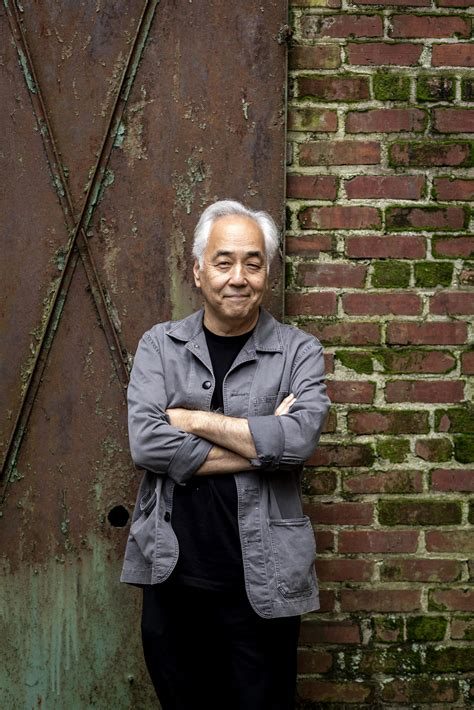
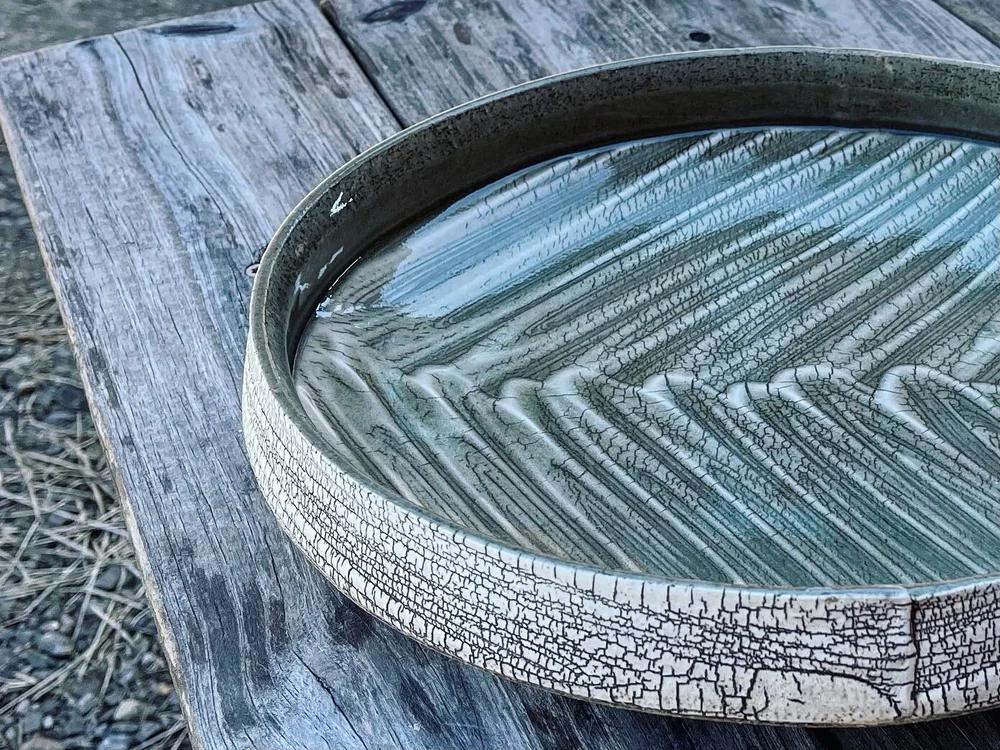
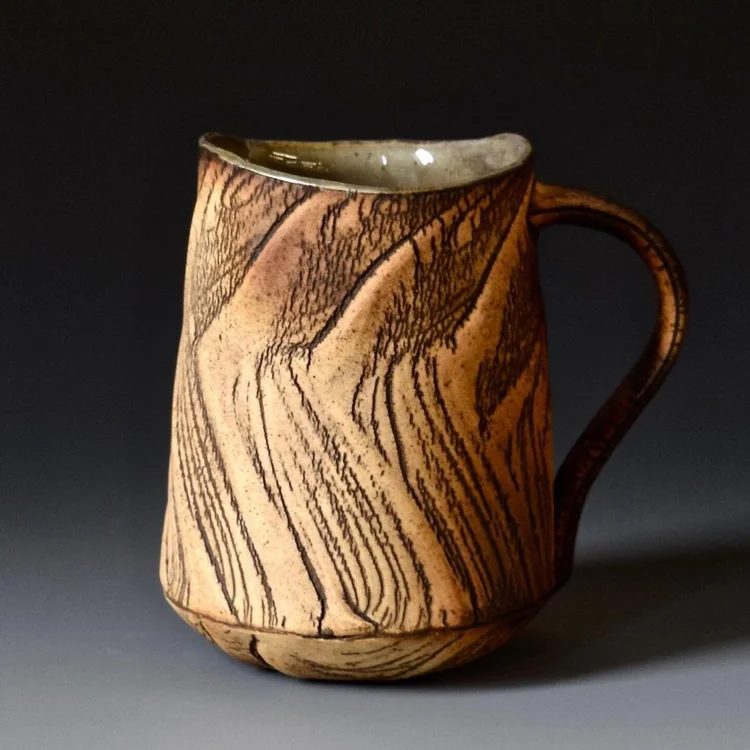
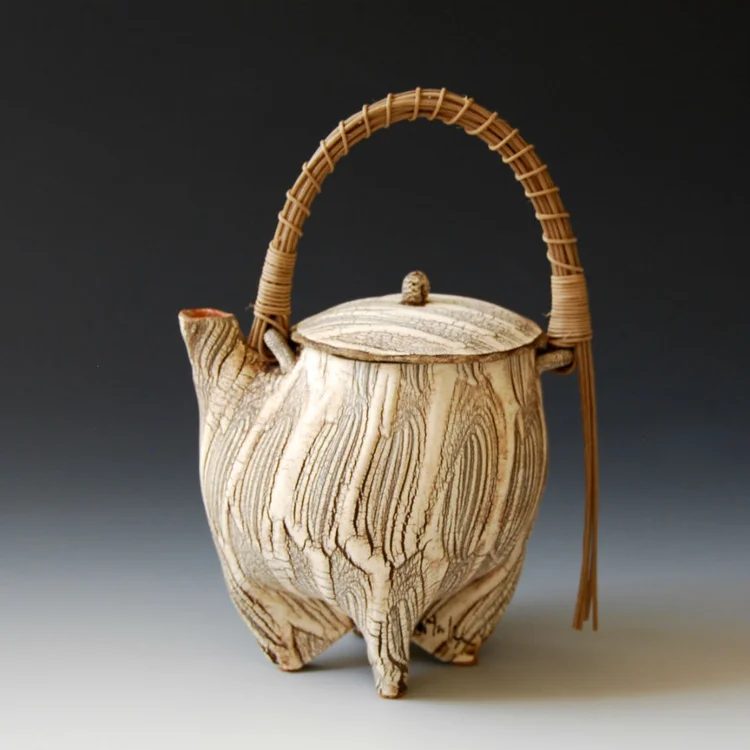
Sarah Wells Rolland is a potter and the founder of the Village Potters, and she led its rebuilding after Helene. She did a Teapot workshop for Studio Nadeau as part of her nationwide fundraising to rebuild the Village Potters.
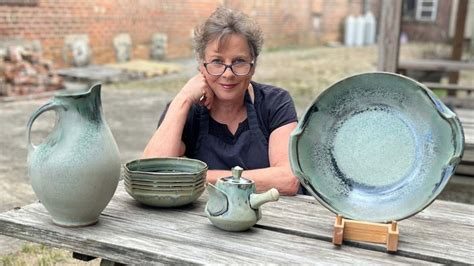
John Britt lives out near Penland in Bakersville, where he was clay coordinator and studio manager at Penland from 2000 to 2007. He is the author of The Complete Guide to High-Fire Glazes and The Complete Guide to Mid-Range Glazes, and his YouTube channel is where a lot of people learn glaze chemistry today. When I watch his videos, we speak the same language, the one we both learned from Val Cushing at Alfred.